
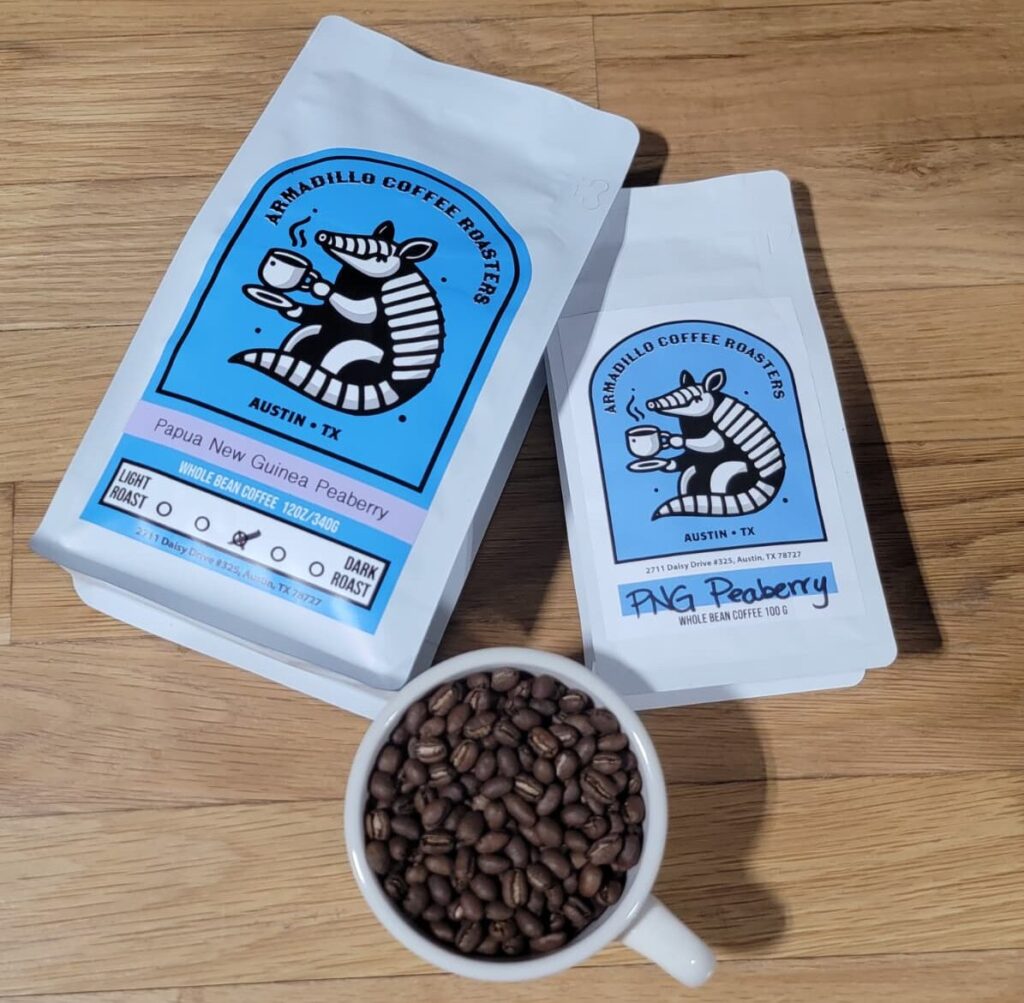
Have you ever brewed a cup of coffee from a bag you picked up at the grocery store and thought, “This is fine… but something’s missing”? You can’t quite name it. The smell is there, the color is right, but the cup feels flat. Like you’re drinking a memory of coffee rather than the real thing.
That feeling has a reason, and it comes down to one word: freshness.
Whether you’re a seasoned home brewer or just someone who takes their morning cup seriously, understanding the difference between fresh-roasted coffee and store-bought coffee will change the way you think about every bag you buy. Let’s break it all down.
What “Fresh Roasted” Actually Means
Fresh roasted doesn’t just mean the bag looks new or has a recent “best by” date stamped on it. It means the coffee was roasted recently, ideally within the past one to two weeks, and made it to your kitchen while the flavors are still alive and developing.
Coffee is an agricultural product. After roasting, beans go through a process called degassing, where carbon dioxide built up during roasting slowly releases over the first few days. This is actually a sign of freshness, and when you pour hot water over a fresh bed of grounds and watch them bloom and bubble up, that’s exactly what you’re seeing. Live, recently roasted coffee is doing what it’s supposed to do.
Store-bought coffee skips all of that. By the time a mass-produced bag travels from roaster to distributor to warehouse to store shelf and finally into your cart, weeks or months have passed. The degassing is long over. The carbon dioxide is gone. And with it, much of the complexity, brightness, and aroma that made those beans worth drinking in the first place.
The Science Behind Stale Coffee
Coffee beans are full of volatile aromatic compounds — the molecules responsible for the hundreds of distinct flavors you can taste in a well-sourced, well-roasted cup. Think of bergamot in an Ethiopian natural, the dark chocolate depth of a Sumatra, or the clean citrus brightness of a light-roasted Colombian.
The moment roasting ends, those compounds start breaking down through oxidation. Oxygen is coffee’s enemy. It slowly strips away the layers of flavor until all you’re left with is a flat, generic bitterness that tastes roughly the same no matter what origin or roast level you started with.
That’s why so many grocery store coffees taste like one thing: just “coffee.” The original character is gone. The sweetness is gone. You’re drinking oxidized oil and stale starches in hot water. It works as a caffeine delivery system, but that’s about it.
Fresh roasted coffee, on the other hand, gives you the full picture. Every origin, every process, every roast level has something to say, and freshness is what lets it say it.
Store Bought vs Fresh Roasted: A Side-by-Side Look
| Factor | Store-Bought Coffee | Fresh Roasted Coffee |
| Time since roasting | Often 3–12+ months | Days to 2 weeks |
| Flavor | Flat, generic bitterness | Layered, complex, origin-forward |
| Aroma | Faint or one-dimensional | Rich, distinct, fills the room |
| Bloom | Little to no | Active, full bloom |
| Roast date | Rarely listed | Always listed |
| Bean sourcing | Often unlisted, commodity grade | Traceable, specialty grade (85+) |
Why Roast Date Matters More Than Expiration Date
Most commercial coffee bags tell you when the coffee expires, but not when it was roasted. That’s a telling choice. Roasters who are proud of their freshness stamp the roast date right on the bag — because freshness is the point, not a technicality.
At Armadillo Coffee Roasters, every single bag carries its roast date. Not because it’s a nice touch, but because they genuinely roast in small batches of 20 to 30 pounds each week, and what you order is roasted for you, not pulled from a shelf where it’s been waiting for a buyer.
That matters enormously. When you know your coffee was roasted within the last few days, you brew it differently. You respect it more. And the cup rewards that respect every time.
The Small-Batch Difference
There’s a reason specialty coffee roasters roast in small batches, and it’s not just tradition or romance. Smaller batches mean:
More uniform heat distribution. Every bean in a 25-pound batch gets closer to the same heat exposure as beans at the bottom and top of a 500-pound commercial drum. That translates to more even development and fewer under- or over-roasted beans in the mix.
Tighter quality control. A small-batch roaster can taste every batch before it ships. If something’s off, it doesn’t go out. A large commercial operation simply cannot do that at scale.
Traceability. When you’re sourcing 30 pounds at a time, you can afford to know exactly where those beans came from — which farm, which cooperative, which harvest season. That’s how single-origin coffees and microlots stay honest. Mass-market roasters blend origins together and source for price, not character.
For anyone who cares about what’s in their cup, small-batch roasting is the only model that makes sense.
What Specialty Grade Actually Means
The term “specialty coffee” gets thrown around loosely, but it has a real definition. Coffee that scores 85 or above on the Specialty Coffee Association’s 100-point scale qualifies as specialty grade. Below that, it’s commercial-grade commodity coffee — the kind that fills supermarket shelves.
Specialty-grade beans are grown at higher altitudes, processed more carefully, and sorted more rigorously. Defective beans are removed. Moisture content is controlled. The result is a raw green bean that, in the hands of a skilled roaster, has genuine complexity waiting to be unlocked.
This is the only type of coffee the best coffee roasters in Texas will touch. It’s not a premium add-on; it’s the starting point.
The Role of the Roaster
Even exceptional green beans can be ruined by a poor roast. And conversely, a skilled roaster can bring out extraordinary character from beans that might not look impressive on paper.
Professional roasters who care about quality use roast profiling software to log every variable, such as temperature, rate of rise, time to first crack, and development time, so each roast is not just good, but repeatable. When you buy a bag you love and order it again three months later, it should taste the same. That’s not luck. That’s data.
The best roasters also cup (taste) every batch before releasing it. Aroma, body, acidity, and aftertaste — all evaluated against a standard. If the batch doesn’t meet it, it doesn’t ship. That’s a level of quality control grocery store coffee simply never sees.
For the Home Brewer: How to Taste the Difference Yourself
If you’ve been buying store-bought coffee for years, doing a side-by-side comparison is one of the most eye-opening coffee experiences you can have. Here’s a simple way to do it:
- Use the same brew method for both — a pour-over or French press works best for comparing flavor clearly.
- Grind both fresh, as close to brew time as possible.
- Use the same water temperature (around 200°F / 93°C).
- Watch the bloom. Fresh coffee will puff up noticeably. Stale coffee will barely move.
- Taste them back-to-back. Take note of brightness, sweetness, complexity, and finish. You’ll likely never go back.
Austin’s Growing Specialty Coffee Scene
Austin has quietly become one of the most exciting cities in the country for specialty coffee. The culture here values craft, authenticity, and local roots, and the coffee scene reflects that. Roasters are sourcing better beans, building direct relationships with farmers, and bringing serious care to every step of the process.
Among the best coffee roasters in Austin, what sets the standout ones apart isn’t just the quality of their beans; it’s the philosophy behind every bag. Freshness isn’t marketed; it’s practiced. Sourcing isn’t a story for the website; it’s a relationship with real farmers. Roasting isn’t a job; it’s a craft refined over years.
That culture is what makes Austin-roasted coffee worth seeking out, whether you’re local or ordering from across the state.
Final Thoughts — Your Cup Deserves Better
There’s nothing wrong with convenience. But when the difference between a mediocre cup and a genuinely great one comes down to how fresh the beans are and who roasted them, convenience starts to feel like a poor trade.
Fresh roasted coffee isn’t a luxury. It’s what coffee is supposed to taste like — bright, complex, full of character, and alive in your cup the moment hot water hits the grounds. Store-bought coffee made you believe flat and bitter was normal. Fresh beans will prove it never had to be.
If you haven’t experienced the difference yet, it’s worth making once. Brew a bag of freshly roasted specialty coffee this week, pay attention to the bloom, breathe in the aroma, and take that first sip slowly.
That’s what coffee was always meant to be.
Ready to taste the difference? Armadillo Coffee Roasters roasts small-batch specialty coffee in Austin, TX and ships fresh to your door — roast date on every bag, guaranteed.
FAQs
Q1. What’s the real difference between fresh-roasted coffee and store-bought coffee?
Store-bought coffee can sit on shelves for months before it reaches you, and by then, most of the flavor has already oxidized away. At Armadillo, we roast fresh in small batches right here in Austin and stamp every bag with the roast date because fresh roasted coffee should taste alive, not just caffeinated.
Q2. Why should I choose a specialty coffee roaster over a big commercial brand?
Specialty coffee roasters work with beans that score 85 or higher, sourced from real farms with traceable origins — something mass commercial brands simply don’t prioritize. As one of the craft coffee roasters in Texas that actually cups every batch before it ships, we can promise your bag meets a standard a supermarket shelf never will.
Q3. How soon after roasting do you ship your coffee?
We roast to order in batches of 20 to 30 pounds each week, so your coffee is typically shipped within a week of coming off the drum. That’s the Armadillo promise – when you buy fresh roasted coffee from us, you’re getting beans at their peak, not beans that peaked three months ago in a warehouse.
Q4. Are you considered one of the best coffee roasters in Austin for home brewers?
We’d like to think so, but we’ll let the cup speak for itself. We’re a small, family-run roastery in Wells Branch serving both home brewers and wholesale clients, and whether you’re pulling a shot or doing a Sunday pour-over, our goal is always the same: the best coffee roasters in Austin shouldn’t just roast great beans, they should make sure those beans reach you fresh enough to prove it.
Leave a Reply